Discover the top IoT solutions 2026 is bringing to businesses worldwide – innovative technologies making operations smarter, more efficient, and more profitable. The Industrial Internet of Things (IIoT) revolution is accelerating, and 2026 marks a pivotal year for businesses embracing smart monitoring and automation solutions. From energy management to environmental monitoring, IoT devices are delivering unprecedented insights and efficiency gains across industries. Here are the ten trendiest smart IoT solutions making a significant impact this year.
1. Advanced Energy Monitoring Systems
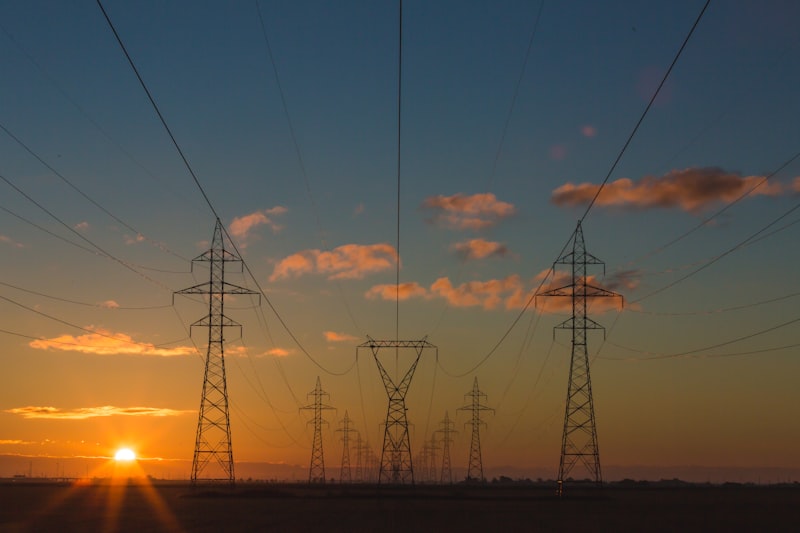
First and foremost, let’s talk about energy monitoring. Today’s smart electricity meters have come a long way from the old-fashioned meters we used to see. In fact, these modern devices do much more than just track how much power you’re using.
Moreover, these systems work together with accessories like current transformers and sensors. As a result, businesses can now see exactly where their energy is going in real-time. For example, you can identify which machines or departments are using the most power.
Best of all, companies are saving up to 30% on their energy bills. This happens because the system helps them spot wasteful practices and fix them quickly. Additionally, the meters can predict when equipment might fail, so you can fix problems before they become expensive. These IoT solutions 2026 businesses are adopting represent just the beginning of smarter operations.
2. Comprehensive Asset Tracking Solutions
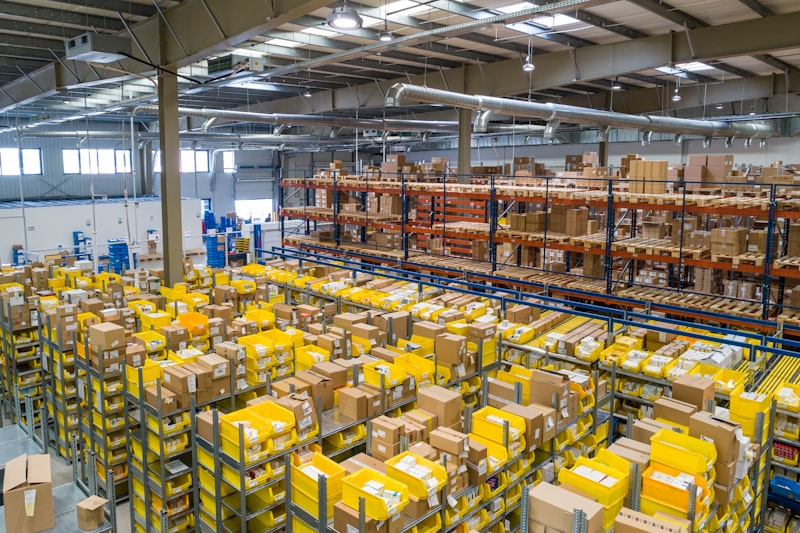
Moving on to asset tracking, this technology has become essential for businesses with vehicles or valuable equipment. Basically, these small GPS devices tell you exactly where your assets are at all times.
Furthermore, modern trackers offer several useful features. For instance, they can alert you if a vehicle leaves its designated area. Similarly, they can detect if someone tries to tamper with your equipment. Therefore, you have peace of mind knowing your assets are safe.
In addition to security benefits, these trackers help with planning. Consequently, fleet managers can find the nearest available vehicle for urgent deliveries. Meanwhile, the long battery life means you don’t have to worry about constant charging.
3. Smart Environmental Monitoring Networks
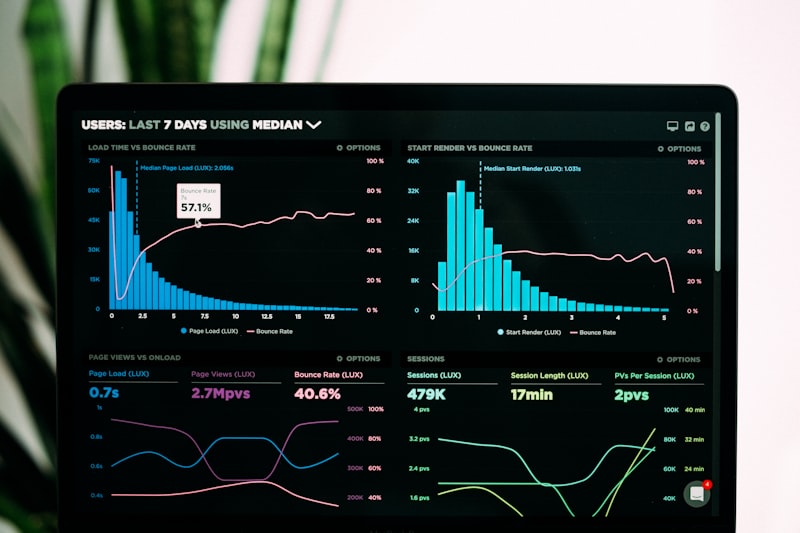
Next, let’s discuss air quality monitoring. According to the Environmental Protection Agency, indoor air quality significantly impacts workplace productivity and health.These days, keeping indoor air clean and healthy is more important than ever. Fortunately, smart environmental sensors make this easier than before.
Specifically, these devices measure several things at once. They track CO2 levels, dust particles, temperature, and humidity. Then, they send all this information to your phone or computer. As a result, you can see the air quality in your building anytime, anywhere.
What’s more, these sensors can work automatically with your heating and cooling systems. Therefore, when the air quality drops, the system can adjust itself to fix the problem. This means healthier air for your employees without any extra effort from you.
4. Intelligent Water Management Systems
Now, let’s look at water management. Water is precious, and smart water meters help you use it wisely. Unlike traditional meters, these smart devices do much more than just count gallons. For example, they can spot leaks before you even notice them. Imagine a small pipe leak that’s wasting water every day. Normally, you might not discover this for weeks or months. However, a smart meter detects unusual water flow immediately and alerts you right away.
Additionally, these systems provide detailed reports about water usage. This way, you can see patterns and find ways to reduce waste. Furthermore, some models can even shut off water remotely if there’s an emergency. Thus, you can prevent flooding damage even when you’re not on site.

5. Precision Agriculture Sensors
Shifting our focus to farming, modern agriculture is becoming smarter with soil sensors. These clever devices help farmers understand exactly what their crops need. To begin with, soil sensors measure moisture levels in the ground. Then, they combine this with weather data to tell farmers the perfect time to water their crops. Consequently, farmers don’t waste water or leave their plants thirsty. Research from FAO’s digital agriculture initiative shows that precision farming can increase crop yields by up to 25%.
Moreover, these sensors help farmers adapt to changing weather patterns. In other words, if a dry spell is coming, the system warns them in advance. On the other hand, if rain is expected, it holds off on irrigation. As a result, crops grow better while using fewer resources.
6. Smart Lighting and Energy Control
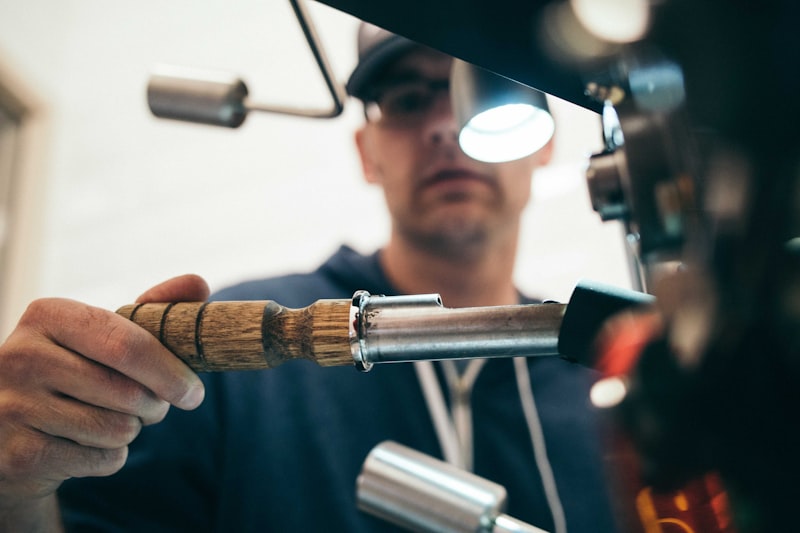
Continuing with lighting solutions, smart controllers are changing how we illuminate our buildings and streets. Instead of leaving lights on all the time, these systems adjust automatically.
For instance, street lights can dim when no one is around and brighten when people or cars pass by. Similarly, office lights can turn off in empty rooms. Therefore, you save energy without making things inconvenient.
In addition, these controllers let you manage all your lights from one central system. This means you can control lighting across an entire building or even multiple locations. Furthermore, bulbs last longer because they’re not running at full brightness all the time. Ultimately, this saves both energy and replacement costs. Among all IoT solutions 2026 has introduced, smart lighting stands out for its immediate cost savings.
7. Industrial Pressure and Level Monitoring
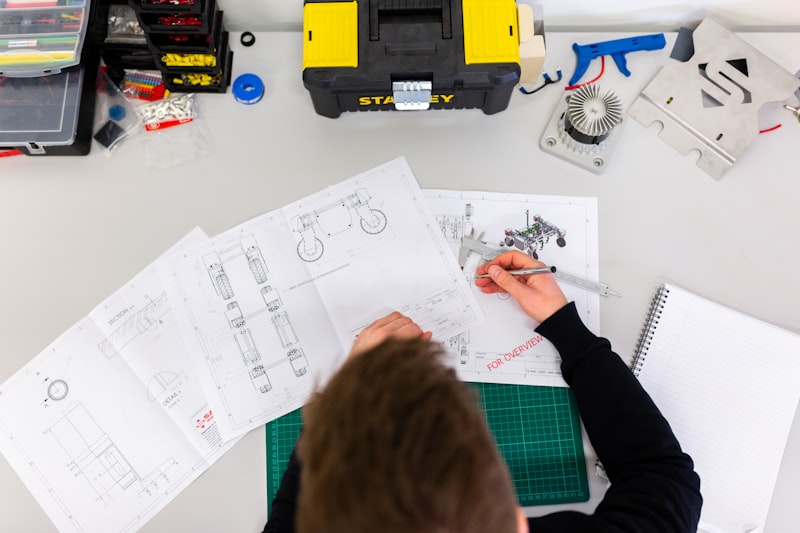
Next up, we have pressure and level monitors for industrial operations. These devices are crucial for factories and processing plants. Essentially, they keep track of pressure in pipes and liquid levels in tanks.
More importantly, these wireless sensors send alerts when something isn’t right. For example, if pressure gets too high or too low, you’ll know immediately. Consequently, you can fix small problems before they turn into big, expensive failures.
Additionally, the wireless design makes installation much easier and cheaper. Instead of running cables everywhere, the sensors communicate wirelessly. Meanwhile, they help you plan maintenance better by showing you patterns over time.

8. Motion and Occupancy Detection Systems
Moving forward, let’s explore motion sensors for smart buildings. These devices are simple in concept but powerful in practice. Basically, they detect when people are in a room or area.
Subsequently, they can trigger other systems to respond. For instance, when someone enters a room, the lights turn on and the heating adjusts. Then, when everyone leaves, everything turns off automatically. As a result, you’re not wasting energy on empty spaces.
Furthermore, advanced sensors can tell the difference between different types of movement. This means fewer false alarms while maintaining security. Therefore, your security system stays reliable while your energy costs go down.
9. Multi-Protocol IoT Gateways and Connectivity Solutions
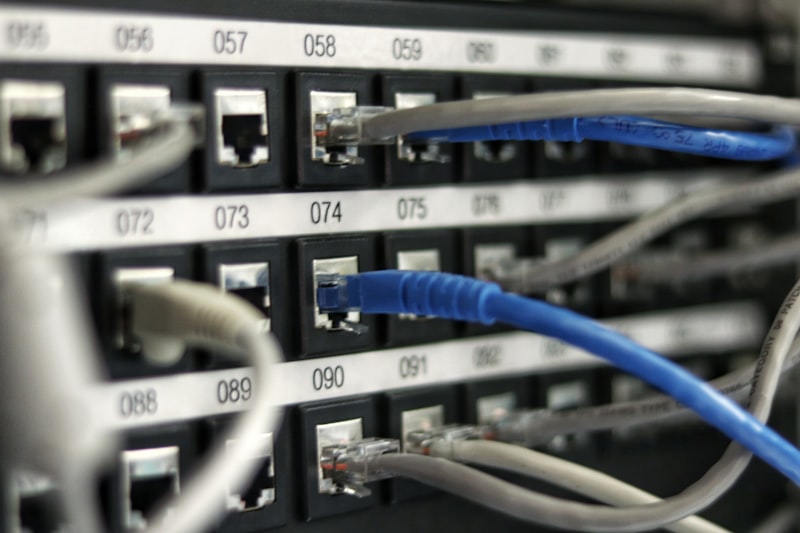
Now, here’s where everything comes together. Gateways are like the central hub that connects all your different sensors and devices. Simply put, they collect data from all your equipment and send it where it needs to go.
What makes modern gateways special is their flexibility. Specifically, they can talk to different types of devices, whether they use LoRaWAN, Sigfox, or cellular networks. Therefore, you can mix and match devices from different manufacturers without problems.
Besides that, these gateways can process some information locally. This means even if your internet connection drops temporarily, your systems keep working. Meanwhile, they store the data and send it to the cloud when the connection returns. Gateway technology is a cornerstone of IoT solutions 2026 organizations are implementing across industries.
10. Specialized Industrial Trackers and Monitors
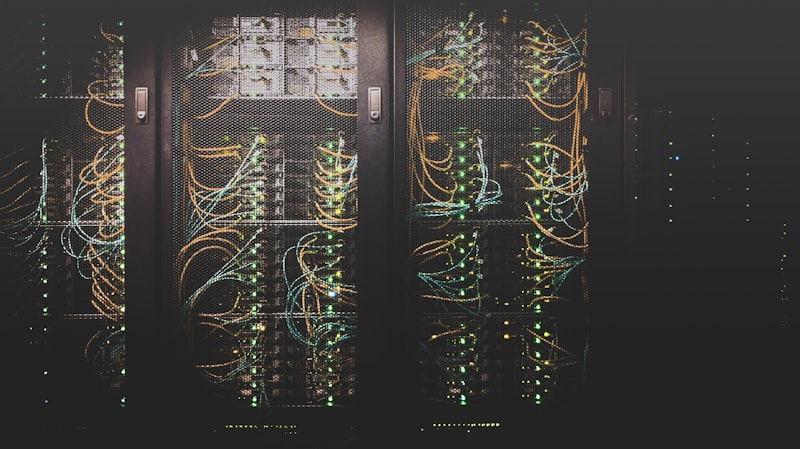
Finally, let’s talk about specialized tracking solutions. Different industries have unique challenges, and specialized trackers address these specific needs perfectly.
For example, livestock farmers use animal trackers to monitor their herds. Meanwhile, transportation companies use fuel sensors to prevent theft and optimize consumption. In each case, the device is designed specifically for that particular job.
Moreover, these specialized devices are built tough. They can handle extreme temperatures, water exposure, and rough handling. Consequently, they keep working reliably even in harsh conditions. This reliability is especially important when you’re managing critical operations.
Building Smarter Operations with IoT
In conclusion, these IoT solutions are transforming how industries operate. They’re not just about collecting data – they’re about making smarter decisions that save money, protect assets, and improve efficiency.
At Tranter IT, we understand that choosing the right IoT devices can feel overwhelming. That’s why we’re here to help. Whether you need energy meters, environmental sensors, asset trackers, or connectivity infrastructure, we have the expertise and products to support your success. The IoT industry continues to grow exponentially, with billions of connected devices transforming businesses worldwide. The IoT solutions 2026 brings to market are more accessible and powerful than ever before.
Ready to transform your operations with smart IoT solutions? Our team of specialists can help you select the right devices and design your monitoring network. From initial consultation to ongoing technical support, we’re your trusted partner every step of the way.
Get Started Today
Tranter IT – Empowering industries with intelligent monitoring and automation solutions. Explore our extensive catalog of IoT devices and connectivity solutions at shop.tranter-it.com